Allen Iverson and Kobe Bryant shaped the NBA in different ways. Both became global basketball icons, but their influence reached fans beyond the court through very different paths. While Bryant built a legacy through championships, skill, and worldwide recognition, Iverson changed how players expressed themselves through fashion, attitude, and culture.
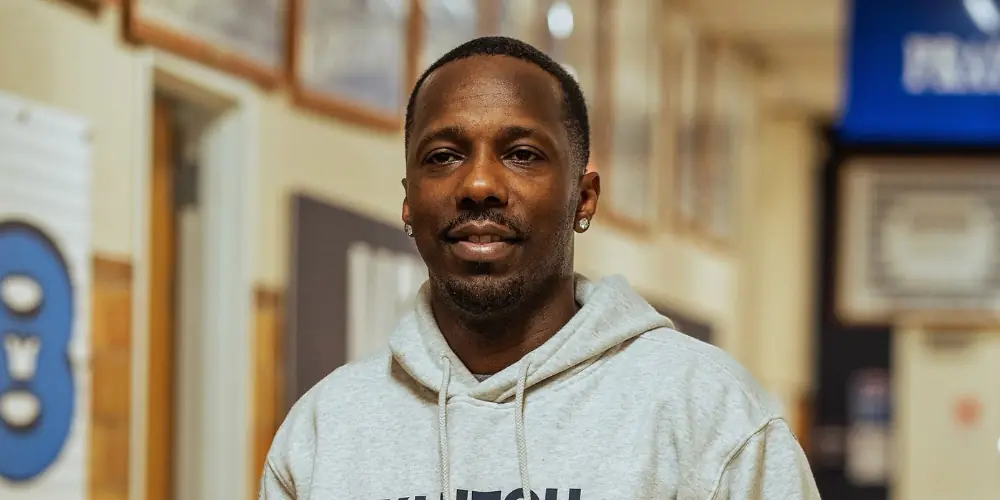
Rich Paul, longtime agent and close friend of LeBron James, recently discussed this debate on his “Game Over” podcast, co-hosted by Max Kellerman and featuring Bill Simmons as a guest. Paul argued that Allen Iverson had a stronger cultural impact than Bryant and Shaquille O’Neal during the early 2000s.
Allen Iverson’s Influence
During his prime years, Iverson became a symbol of individuality. His cornrows, tattoos, jewelry, baggy clothing, and connection to hip-hop culture changed how many fans viewed NBA players. His style became popular among young people who connected with his personality and approach to the game.
Paul explained that Iverson brought elements of street culture into the NBA in a way no other player had before. He pointed out that Iverson even influenced people outside traditional basketball audiences, saying, “He had white America wearing cornrows and headbands.”
Paul’s argument focused on cultural influence rather than basketball achievements. He suggested that Iverson inspired an entire generation to copy his style and attitude, creating a connection that went beyond statistics and championships.
Kobe Bryant’s Global Legacy
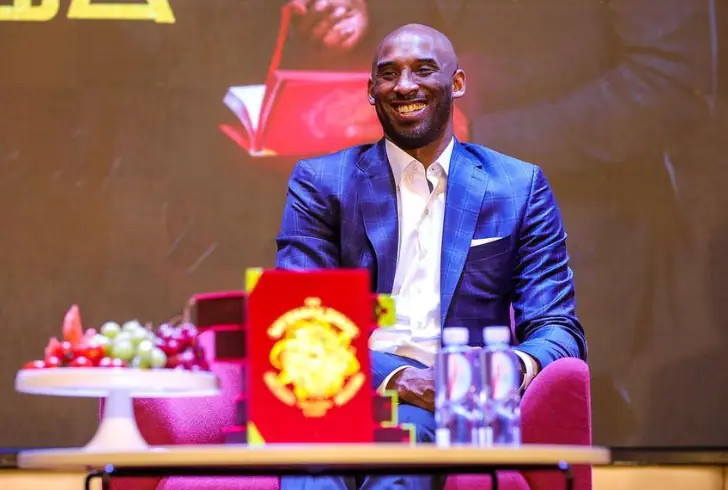
Kellerman challenged Paul’s opinion by arguing that Bryant and O’Neal were bigger stars in terms of overall fame. Bryant’s popularity reached fans across the world, especially in countries such as China, where he became one of the most admired basketball players ever.
Bryant’s career achievements also placed him among the greatest players in NBA history. He won five NBA championships, earned two NBA Finals MVP awards, and became an 18-time All-Star. His dedication, work ethic, and competitive mindset made him an inspiration for athletes worldwide.
Iverson produced an impressive career as well. He averaged 26.7 points and 6.2 assists per game, won four scoring titles, and carried the Philadelphia 76ers to the 2001 NBA Finals. However, his team lost that series in five games against Bryant, O’Neal, and the Los Angeles Lakers.
Two Different Types of NBA Greatness
Comparing Iverson and Bryant depends on what type of influence is being measured. Bryant represented basketball excellence, global popularity, and championship success. Iverson represented personal expression, cultural change, and a new identity for NBA players.
Paul’s comments highlight how athletes can impact society in ways that statistics cannot measure. While Bryant’s basketball legacy stands among the greatest ever, Iverson’s effect on fashion and player culture remains a defining part of NBA history.
Allen Iverson and Kobe Bryant created lasting impacts that reached far beyond the basketball court. Iverson changed the connection between sports and culture, while Bryant became a worldwide symbol of basketball greatness.
Their legacies show that influence can be measured in different ways, from championships and records to style and cultural impact.